Expert witness & litigation support

The scientist in the room.

Four senior scientists who testify and consult in their own domains: pesticide residue and chromatography, toxicology and pharmaceutical analysis, microbiology and the indoor environment, and cGMP manufacturing standard of care. Independent, conflict-checked, and able to explain a chromatogram, a batch record, or a mold report to a fact-finder.

Conflict check and threshold reply within one business day.

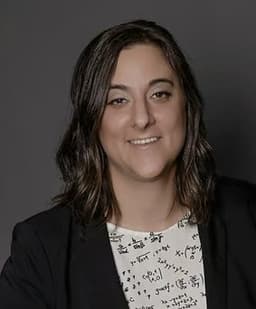
Julie Kowalski, PhD

Expert witness

Julie Kowalski, PhD

Pesticide residue, chromatography, and laboratory data integrity

Julie Kowalski, PhD, is an analytical chemist who testifies and consults on pesticide residue analysis, chromatography, and whether a laboratory result can be trusted. She reviews the method, the calibration, the chromatograms, and the quality-control records behind a disputed number and explains what they do and do not prove.

Matters

  • ·Testing-result disputes where two accredited laboratories disagree on the same sample
  • ·Split-sample and retest disagreements, including results at or below the limit of quantitation
  • ·Limit of detection (LOD) and limit of quantitation (LOQ) challenges and reporting-limit arguments
  • ·Pesticide drift and overspray claims that turn on residue analysis of crops, soil, or products
  • ·Method validity: whether an LC-MS/MS or GC-MS/MS method was validated for the matrix and analyte at issue
  • ·Contamination and adulteration claims that rest on a single chromatogram or a single certificate of analysis
  • ·ISO/IEC 17025 laboratory conduct, data integrity, and quality-control adequacy
  • ·Proficiency-testing failures, accreditation disputes, and regulatory actions against testing laboratories

Methods and instruments

  • ·LC-MS/MS and GC-MS/MS multiresidue pesticide analysis
  • ·GC-MS, HPLC, and LC-MS chromatography across food, cannabis, hemp, and botanical matrices
  • ·QuEChERS and alternative extraction and cleanup chemistries
  • ·Matrix-matched calibration, matrix-effect and ion-suppression diagnosis, recovery studies
  • ·Measurement-uncertainty budgets and LOD/LOQ determination
  • ·Review of raw instrument data, integration, calibration curves, and QC batch records

Standards relied on

  • ·ISO/IEC 17025:2017
  • ·AOAC Official Methods and Standard Method Performance Requirements (SMPRs)
  • ·SANTE analytical quality-control guidance for pesticide residues
  • ·ICH Q2(R2) method validation
  • ·EURACHEM/CITAC measurement uncertainty
  • ·State cannabis and hemp pesticide action lists and required methods

Testimony and prior expert work

Prior expert-witness matters on cannabis testing questions as part of the Intrepid cofounder team, plus independent technical review and opinion work for counsel. Available as a consulting expert, a testifying expert, or both, by separate addendum.

Verifiable credentials

“When the case turns on a chromatogram, you want the person who has reviewed thousands of them.”

The engagement is the review, not a predetermined conclusion. Julie reports what the record shows.
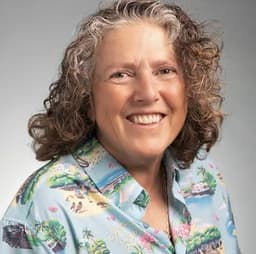
Kate Evans, PhD

Expert witness

Kate Evans, PhD

Toxicology, pharmaceutical analysis, and cannabis testing and manufacturing

Kate Evans, PhD, testifies and consults on toxicology, pharmaceutical analysis under cGMP, and cannabis and hemp testing and manufacturing. She has stood on both sides of a laboratory assessment, as an ISO/IEC 17025 lead assessor for ANAB and A2LA and as the scientist building the lab, and she reads a test record the way an assessor and an opposing expert will.

Matters

  • ·DUI and drug-intoxication cases involving illicit-drug toxicology and interpretation of blood and oral-fluid results
  • ·Cannabis and hemp testing-laboratory disputes: licensing, method adequacy, sample preparation, and result reliability
  • ·Manufacturing standard of care for cannabis, hemp, and pharmaceutical products
  • ·FDA test-method submissions, instrument qualification, and cGMP analytical records
  • ·State cannabis regulatory rule-making, action limits, and laboratory program requirements
  • ·Accreditation-body actions, assessment findings, and ISO/IEC 17025 conformance
  • ·Potency, label-claim, and cannabinoid-content disputes

Methods and instruments

  • ·HPLC, LC-MS, and GC-MS pharmaceutical and cannabinoid analysis
  • ·Sample preparation for cannabis and hemp inflorescence (Technical Contact, ASTM D8493-23)
  • ·Method development, validation, and transfer under ISO/IEC 17025 and cGMP
  • ·Instrument qualification (IQ/OQ/PQ) and analytical data review
  • ·Toxicological interpretation of drug concentrations and impairment evidence

Standards relied on

  • ·ISO/IEC 17025:2017 (lead assessor, ANAB and A2LA)
  • ·21 CFR Part 211 and 21 CFR Part 111
  • ·ASTM D37 cannabis standards, including ASTM D8493-23
  • ·USP general chapters on analytical validation and instrument qualification
  • ·ICH Q2(R2) method validation
  • ·State cannabis and hemp testing regulations

Testimony and prior expert work

Prior expert-witness testimony in cannabis and hemp testing and manufacturing matters, and in DUI cases involving illicit-drug intoxication. Available as a consulting expert, a testifying expert, or both.

Verifiable credentials

“An assessor reads a lab record for what is missing. So does opposing counsel. I read it the same way, for you, first.”

The engagement is the review, not a predetermined conclusion. Kate reports what the record shows.

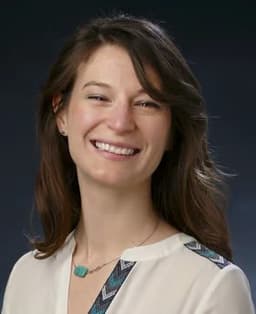
Tess Eidem, PhD

Expert witness

Tess Eidem, PhD

Microbiology, mold, bioaerosols, and the indoor environment

Tess Eidem, PhD, is a microbiologist who testifies and consults on mold and microbial contamination, bioaerosols, indoor air quality, and food-safety preventive controls. She traces a contamination to its source, names the organism to species, and explains whether the monitoring and controls in place met the standard of care.

Matters

  • ·Mold and moisture claims in residential, commercial, and cultivation buildings
  • ·Contamination source attribution: which room, which input, which process step, which week
  • ·Building-environment and occupational exposure to bioaerosols in cultivation and manufacturing
  • ·Microbial product failures, recalls, and yeast-and-mold or pathogen test disputes
  • ·Adequacy of environmental monitoring, sanitation, and sterility programs
  • ·FSMA preventive-controls and food-safety disputes (Preventive Controls Qualified Individual)
  • ·Fermented and botanical product contamination claims

Methods and instruments

  • ·Environmental monitoring design and interpretation: air, surface, and water sampling
  • ·Bioaerosol sampling and characterization in built environments
  • ·Species-level identification by sequencing, culture, and qPCR
  • ·Contamination root-cause analysis from certificate-of-analysis and monitoring data
  • ·Hazard analysis and preventive-controls review under 21 CFR Part 117

Standards relied on

  • ·FSMA, 21 CFR Part 117 (Preventive Controls for Human Food)
  • ·USP <1116> microbiological control and monitoring
  • ·ISO 14644 cleanroom classification and monitoring
  • ·ASTM D37 cannabis microbiology standards
  • ·State cannabis microbial limits and testing requirements

Testimony and prior expert work

Pre-litigation exposure scoping and consulting-expert work for counsel on building-environment and contamination matters, and prior expert-witness collaboration with the Intrepid cofounder team. Available as a consulting expert, a testifying expert, or both.

Verifiable credentials

“Total yeast and mold is not an organism. Name the species, find the source, and the story holds.”

The engagement is the review, not a predetermined conclusion. Tess reports what the record shows.

Andrew Samann

Expert witness

Andrew Samann

cGMP manufacturing, quality systems, and the process standard of care

Andrew Samann testifies and consults on pharmaceutical and cannabis manufacturing under current Good Manufacturing Practice, on quality management systems, and on whether a manufacturer's process met the standard of care. As a former ICH Q7 lead auditor, he reads batch records, deviations, and SOPs for the gap between what was written and what was done.

Matters

  • ·Adulteration-by-process claims: whether the manufacturing process was capable of producing the defect at issue
  • ·SOP-versus-practice gaps: documentation systems that existed on paper but not on the floor
  • ·FDA Form 483, warning-letter, and consent-decree disputes involving manufacturing controls
  • ·GACP and GMP standard of care for cannabis, hemp, dietary-supplement, and pharmaceutical manufacturers
  • ·Product-liability matters where the manufacturing process, batch record, or release decision is contested
  • ·Contract-manufacturer and supplier disputes over quality agreements and audit findings
  • ·Regulatory readiness at the time of a transaction, license, or contract

Methods and instruments

  • ·cGMP audit methodology (former ICH Q7 lead auditor, SGS North America)
  • ·Batch-record, deviation, out-of-specification, and CAPA record review
  • ·Quality-system gap analysis against ICH Q7, ICH Q10, and 21 CFR Part 211
  • ·Process-capability and change-control assessment
  • ·Facility, equipment, and qualification (IQ/OQ/PQ) documentation review

Standards relied on

  • ·ICH Q7, Q9, and Q10
  • ·21 CFR Parts 210 and 211, Part 111, and Part 117
  • ·EU GMP Part I and Part II and the EU GMP Annexes
  • ·WHO and EMA GACP guidance
  • ·ASTM D37 quality-management-system standards for cannabis

Testimony and prior expert work

Prior expert-witness matters on cannabis manufacturing and quality questions as part of the Intrepid cofounder team. Available as a consulting expert, a testifying expert, or both.

Verifiable credentials

“The dangerous manufacturer is not the one with no documentation. It is the one with a beautiful system nobody follows.”

The engagement is the review, not a predetermined conclusion. Andrew reports what the record shows.

Coordinated team

One record, four experts, one engagement letter

Cannabis, food, and pharmaceutical matters rarely stay inside one discipline. A contamination claim runs from the grow room through extraction, formulation, and the testing laboratory. A single generalist stretched across all of it is the weak point an opposing expert looks for. When the science spans domains, Intrepid fields the process authority, the analytical chemist, the toxicologist, and the microbiologist together, testifying from a shared technical record.

“Vetted alignment, not an assembled team.”

The four cofounders chose each other after years of shared engagements and prior expert-witness collaboration. Testifying together against a common opposing expert is how you learn who holds a position under pressure.

“The engagement is the review, not the conclusion.”

Every expert here reports what the record shows. If the science does not support the position, counsel hears that first, before a declaration is drafted.

“Show the work.”

Opinions rest on validated methodology, recognized standards, and a documented chain from the record to the conclusion, so they can be explained to a jury and defended under cross-examination.

“Independent. No captive lab, no instrument vendor.”

Intrepid runs no testing laboratory and sells no instruments. The opinion follows the chemistry and the record, not a commercial interest.

How to retain

Five steps from inquiry to engagement

  1. 1

    Request a conflict check

    Use the form below. Names of parties, labs, and companies only. No documents, no privileged detail.

  2. 2

    Threshold reply within one business day

    You get availability against your schedule, any conflict, and the rate structure for the expert you need.

  3. 3

    Engagement letter with a capped initial scope

    Most matters start narrow: a records review with a not-to-exceed, under your retention and confidentiality terms or ours.

  4. 4

    Documents flow after signature

    Work product is prepared in anticipation of litigation and at counsel's direction from the first page.

  5. 5

    Consulting to testifying by addendum

    If the review supports an opinion, the expert moves to a testifying role by separate addendum. If it does not, you hear that first.

Billing

Quarter-hour increments. Running ledger on every invoice.

Rates

Tiered: review and declaration; deposition and trial (minimum applies). Retainer at engagement, replenished as drawn. Quoted in the engagement letter.

Travel

Actual cost plus a day rate. Review work is remote; appearances in person or by video as the court allows.

Request a conflict check

Names only. A cofounder replies within one business day with availability, any conflicts, and rates for the expert you need.

Do not upload or paste case documents, expert reports, or privileged material here. This form collects only what the conflict check needs. Documents flow after an engagement letter is signed.

Questions counsel asks first

How do I retain one of Intrepid's experts?
Submit the conflict-check request on this page with the names of the parties, laboratories, and companies involved. A cofounder replies within one business day with availability, any conflicts, and the rate structure. An engagement letter with a capped initial scope follows, and case documents flow only after it is signed.
What does the conflict check cover?
The parties, their affiliates, any testing laboratories, manufacturers, and counsel named in the matter, checked against the firm's current and prior clients and each cofounder's separate professional work, including laboratory assessments performed for accreditation bodies. Anything that could be read as a conflict is disclosed before engagement, and the affected cofounder is walled off from the matter.
Do you work as consulting experts, testifying experts, or both?
Both. Most matters begin with a consulting-expert review under privilege. If the review supports an opinion, the expert moves to a testifying role by separate addendum. The engagement is the review, not a predetermined conclusion, and counsel hears the finding either way.
Can you engage more than one expert on the same matter?
Yes. When a matter spans manufacturing, testing, and microbiology, a coordinated team testifying from a shared technical record is stronger than one generalist. All four cofounders have prior expert-witness collaboration together, under one engagement letter with one point of accountability.
How are fees structured?
Hourly, in quarter-hour increments, with a running ledger on every invoice. Rates differ for review and declaration work versus deposition and trial testimony, which carry a minimum. A retainer is taken at engagement and replenished as it is drawn. Travel is billed at actual cost plus a day rate. Rates are quoted in the engagement letter for the expert and matter at hand.
Will the opinions withstand a Daubert or Frye challenge?
Every opinion rests on validated methodology, recognized standards such as ISO/IEC 17025, AOAC and SANTE methods, ICH guidelines, ASTM D37, and 21 CFR Part 211, and a documented chain of reasoning from the record to the conclusion. The expert shows the work. Whether an opinion is admitted is the court's decision.
Which courts and jurisdictions do you serve?
Federal and state courts across the United States, plus arbitration and regulatory proceedings. Review and declaration work is remote. Deposition and trial appearances are in person or by video as the court allows.
What should I send first?
Only what the conflict check needs: party names, the court, the technical question in a few non-privileged sentences, and your key dates. After the engagement letter, the expert sends a specific records request, such as the certificates of analysis, raw instrument data, calibration and QC records, batch records, or monitoring data the matter turns on.
How fast can you start?
The conflict check and threshold reply come within one business day. A capped records review can begin as soon as the engagement letter is signed and the retainer is received. Tell us your disclosure and hearing dates on the form so availability is checked against them.

For the longer treatment of where the science sits underneath a cannabis matter, read The Scientist in the Room: A Cannabis Counsel’s Field Guide.

Put the right scientist on the record

Time is usually of the essence. Send the party names and the technical question, and the conflict check starts today.